'IoT Greenhouse Controller: A Golioth Reference Design'
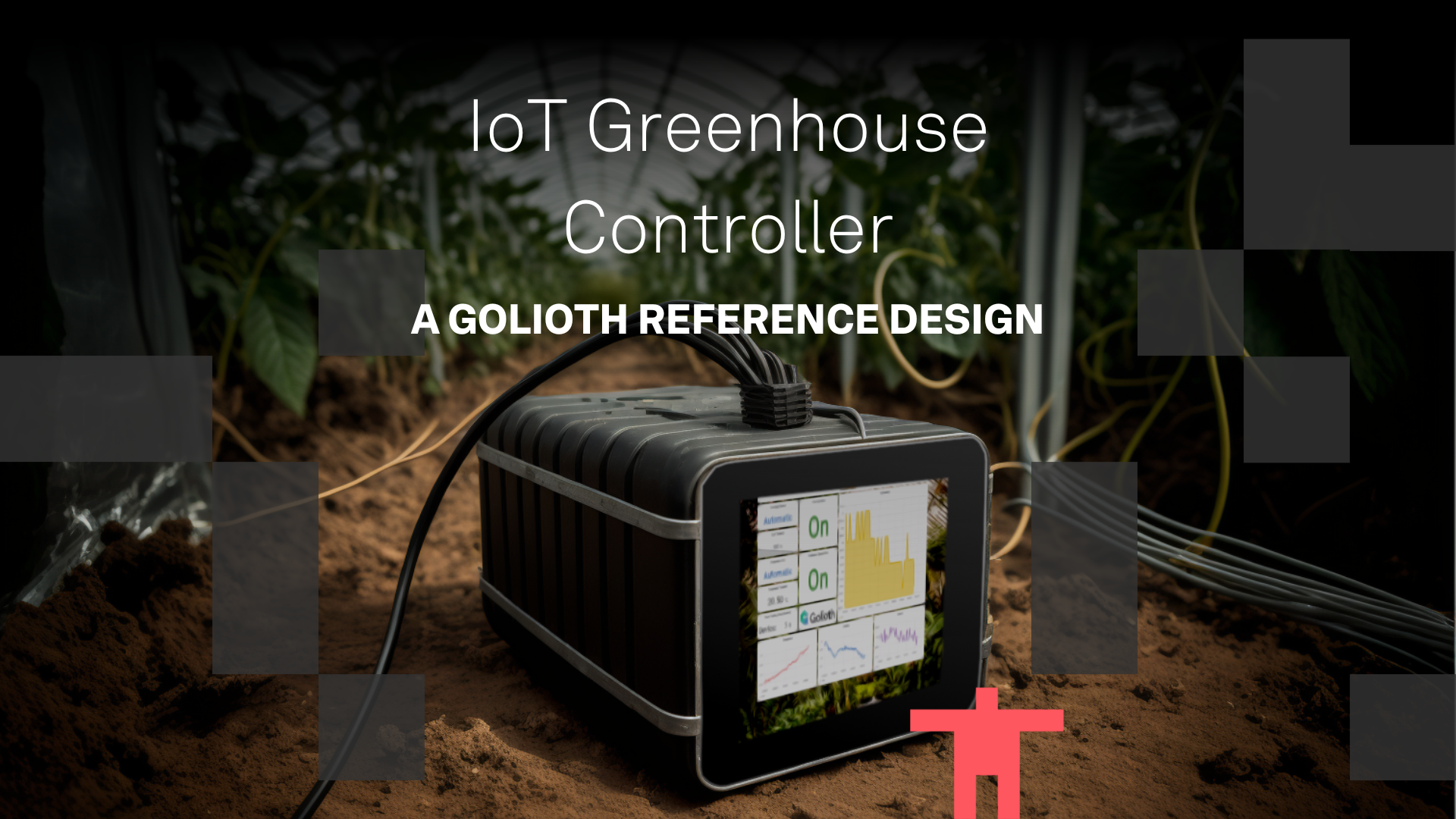
The Internet of Things (IoT) can make existing infrastructure more useful and easier to operate, with the added benefit that you don’t need to be on-site to make changes. This is the case with Golioth’s latest reference design: a greenhouse controller that adjusts ventilation and grow lighting based on sensor readings. It also provides manual control from the cloud. Whether it’s too hot or too cold, tightly monitoring and regulating greenhouse temperature has a huge effect on crop yield and growing time. The same can be said for lighting conditions. At this time of year (winter), consider the poinsettia: it requires intense light during the day, and at least 12 hours of total darkness over night in order to turn a vibrant shade of red. Sounds like a great job for an automated controller. But think beyond one type of plant and one time of year. The agriculture industry uses automated control to implement different growing conditions based on the cultivar. A cloud-connected controller makes it much easier to update (and keep track of) the growth profiles.
The IoT Greenhouse Controller
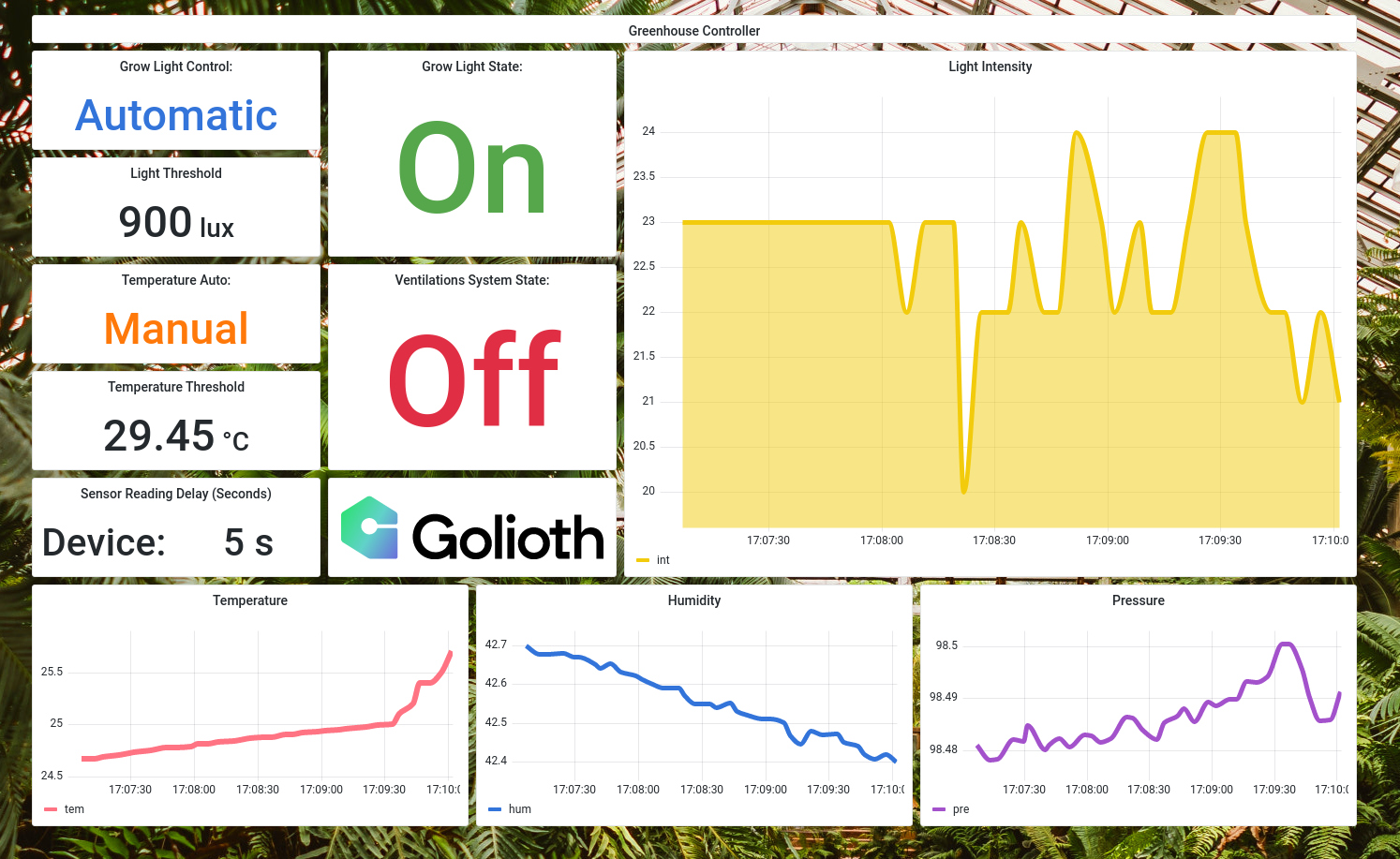
An IoT Greenhouse Controller continues to show that simply connecting sensors to the internet is impactful. From one online dashboard you can see how the light, temperature, pressure, and humidity is trending across all of your planthouses. For this reference design we added two mains-rated relays to add control to the equation. The cellular modem sends sensor data back to Golioth, and monitors the cloud for updates in target temperature and light intensity. A threshold setting for light level automatically controls when the grow lights are turned on or off. The same is true for a temperature threshold that is monitored for control of the ventilation system. Of course both of these relays can be controlled manually. Let’s take a look at the hardware involved in this Reference Design
Hardware
We’re favoring off-the-shelf hardware for ease of implementation. Most of the modules that we use are simple breakout boards that aren’t much more than a sensor or two, some power handling, and interconnects like cabling. The idea is that someone could take this setup and choose which sensors they want to put onto their custom hardware design that will go out in the field.
Left to right: light sensor, weather sensor, relays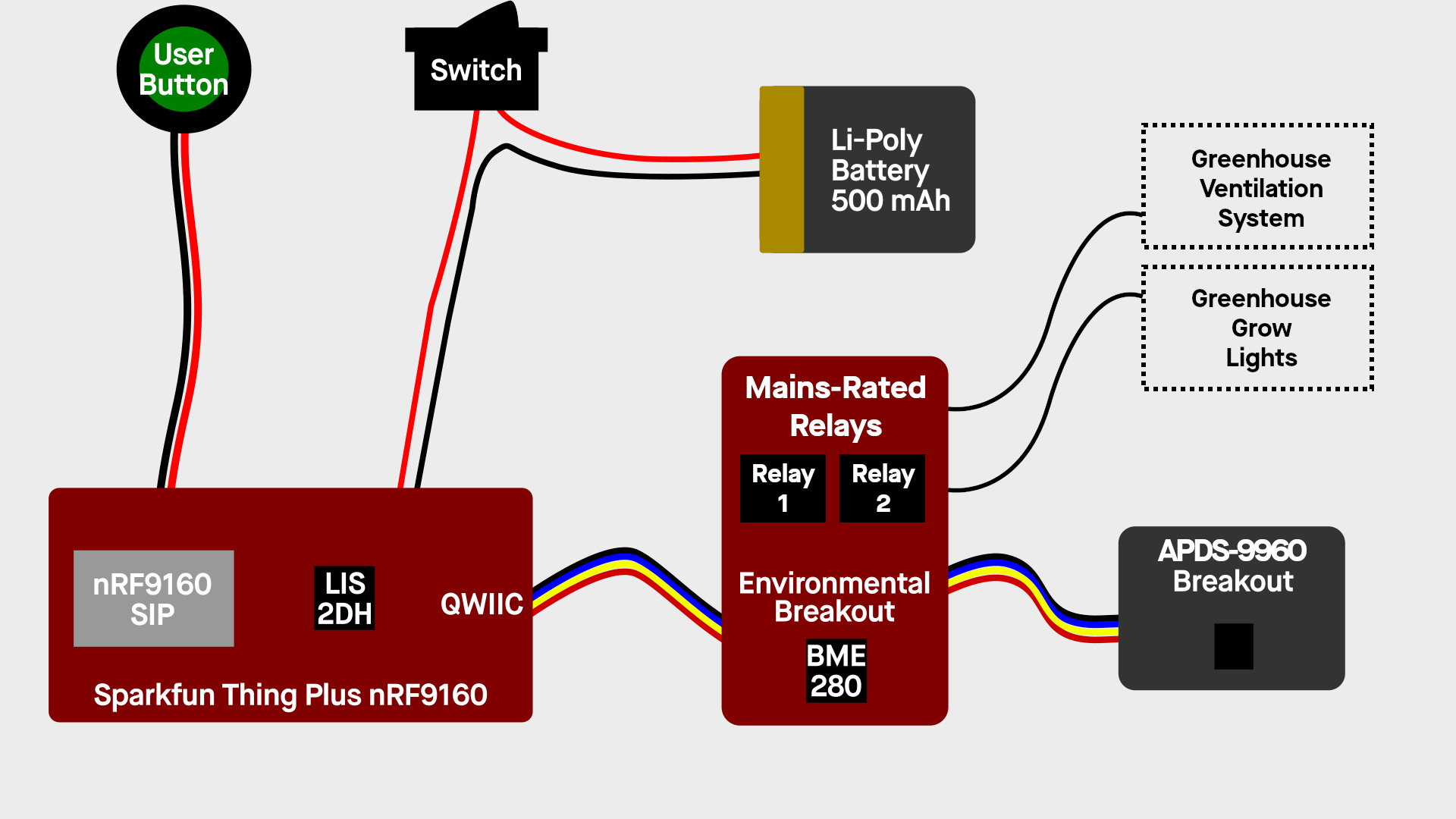
Firmware
The firmware for the Greenhouse Controller reference design uses
the Golioth Settings Service. This is ideal as it facilitates control of a large fleet of these devices, allowing settings to be adjust for all at once, in groups, and of course down to individual units.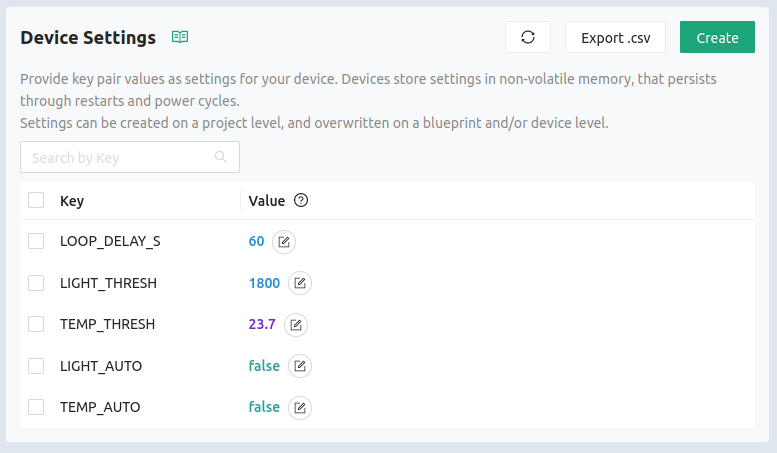
Cloud Software / Dashboard
The Golioth Zephyr SDK takes care of the cloud connection for all of your devices. When writing firmware, just use the API to set/get/observe your data and Golioth handles the rest:
- Sensor readings are stored as time-series data on LightDB Stream
- Device settings are monitored in real-time, with the device reacting to your changes as soon as you make them.
- The Golioth Console tracks the latest device state, including device health
- Current firmware version is monitored, with the ability to rollout new OTA updates, and one-click roll-back if you need it
- Golioth’s convenient REST API delivers easy access to the data for visualization or export to any of your favorite cloud server platforms. We love using Grafana dashboards to visualize IoT data. The dashboard talks to the Golioth REST API to monitor the IoT sensors and the state of the lighting/ventilation. Of course you could use WebSockets to get live updates as the data arrives at the Golioth servers. For this application, it’s likely that sensor readings are being recorded every few minutes so a dashboard that reloads on its own works well.
More Golioth Reference Designs
Our reference designs are meant to get you through the initial steps of proving out your IoT-based business. You can buy the readily-available parts used for this Greenhouse controller and with our reference design resources you’ll be on your way to a proof of concept in days instead of weeks. This means you’re fleshing out features and heading toward a hardware prototype with actual performance data. Golioth is designed to scale, so the same connections and features that you use for your first prototype remain in place, with a platform that can handle a number of devices beyond your wildest imagination. We are busy building out more reference material for you to take and customize for your business needs. We recently launched an Industries section of the Golioth website, which lays out some of the other areas we are targeting and Reference Designs we are building. If any of them interest you, click the “Schedule Demo” button for the one that best matches your needs. You can also drop a note on our Forum or on our Discord if you have ideas of other IoT prototypes you need help with or would like to see us build.